Understanding Recession Definition and Its Economic Impact
A recession is a complex and multifaceted economic phenomenon that can have far-reaching consequences for individuals, businesses, and communities. At its core, a recession definition refers to a period of significant decline in economic activity, typically measured by a decline in gross domestic product (GDP) over a sustained period, usually two or more consecutive quarters. This decline can have various causes, including changes in consumer spending, business investment, and government policies. As the economy slows down, it can lead to higher unemployment, reduced consumer spending, and decreased economic growth.
What Happens During a Recession?
When a recession occurs, it can have a ripple effect throughout the economy, impacting various sectors and industries. Some common characteristics of a recession include a decline in industrial production, a decrease in wholesale and retail sales, and a reduction in personal income. Additionally, recessions can lead to increased unemployment rates, as businesses may need to reduce their workforce to stay afloat. 
Common Mistakes in Understanding Recession
One common mistake people make when trying to understand recession is to confuse it with a depression. While both terms refer to economic downturns, a depression is a more severe and prolonged period of economic decline. Another mistake is to assume that recessions only affect certain industries or sectors, when in fact, they can have a broad impact on the entire economy. To better understand recessions, it's essential to consider the following factors:
- Changes in government policies and regulations
- Shifts in consumer spending and behavior
- Fluctuations in global economic trends
- Impact of technological advancements on various industries
Smarter Alternatives to Navigating a Recession
Rather than simply waiting for the economy to recover, individuals and businesses can take proactive steps to navigate a recession. This can include diversifying investments, reducing debt, and building up emergency funds. Additionally, businesses can focus on innovating and adapting to changing market conditions, rather than simply cutting costs. By taking a proactive and forward-thinking approach, individuals and businesses can not only survive a recession but also come out stronger on the other side. 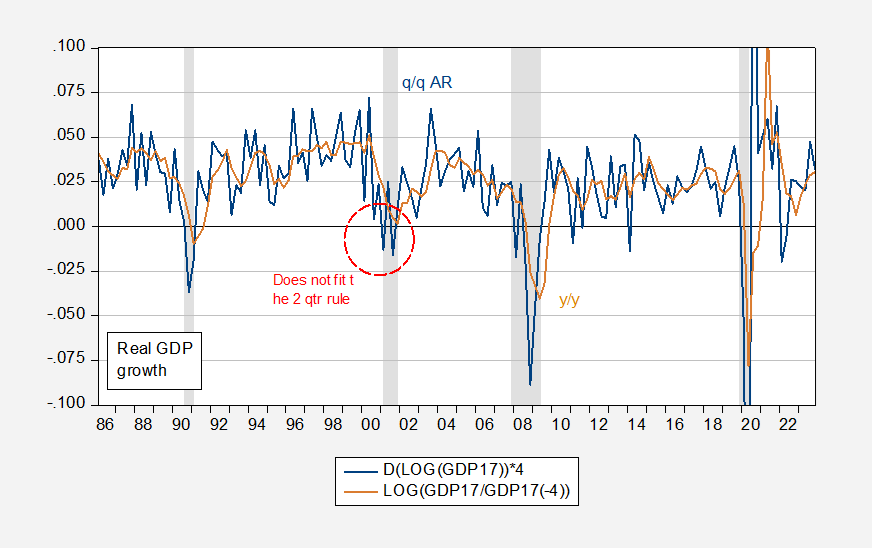
Preparing for the Next Recession
While it's impossible to predict with certainty when the next recession will occur, there are steps that individuals and businesses can take to prepare. This can include staying informed about economic trends and developments, building up emergency funds, and diversifying investments. By being proactive and prepared, individuals and businesses can reduce their vulnerability to economic downturns and position themselves for long-term success. As the economy continues to evolve, it's essential to stay informed and adapt to changing conditions, rather than simply reacting to them.
Global Recession- Definition, Causes & Examples | EDUCBA
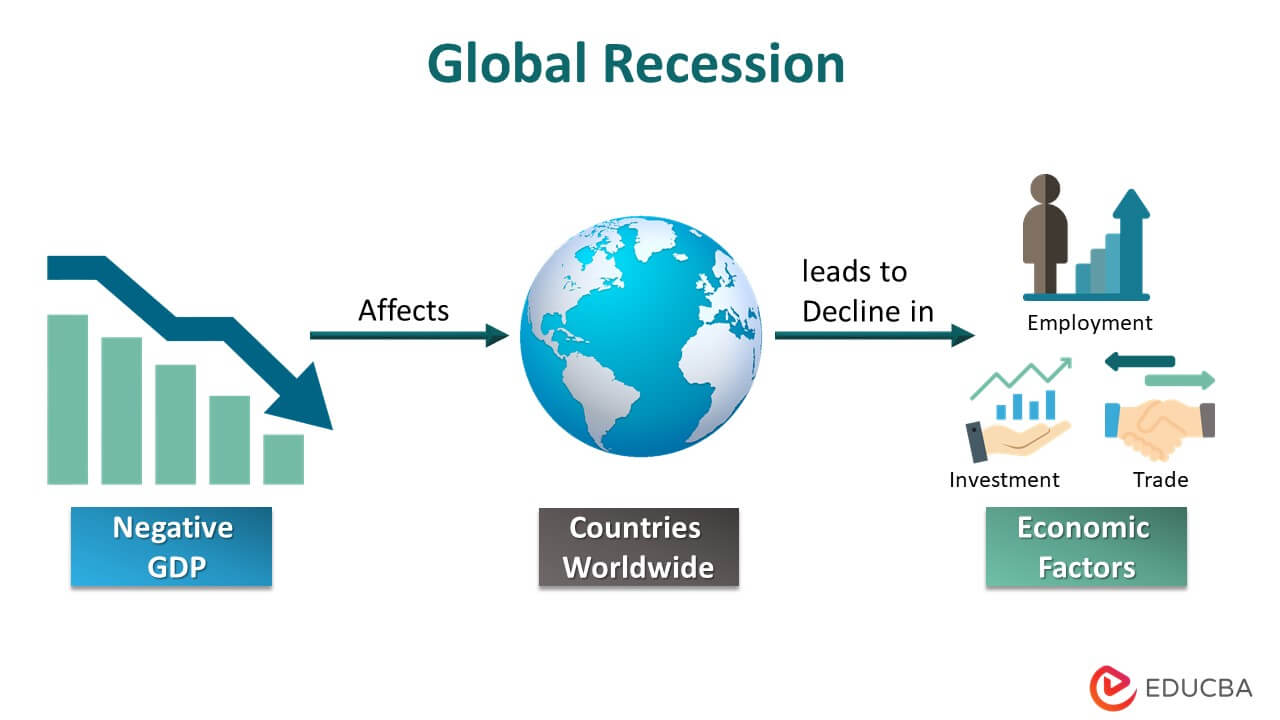
Global Recession- Definition, Causes & Examples | EDUCBA
Know What Is Recession Infographic Poster, Recession Definition, Stock
Know what is recession infographic poster, recession definition, stock ...
Recession: Definition, Causes & Characteristics

Recession: Definition, Causes & Characteristics